
शनिबार १ कात्तिक, २०८३,
Sat, 17 Oct, 2026
शनिबार १ कात्तिक, २०८३,
Sat, 17 Oct, 2026

KATHMANDU: The newly formed government, led by senior leader Balendra Shah of the Rastriya Swatantra Party (RSP), has triggered a massive wave of debate across Nepal’s administrative and political landscapes following its announcement to abolish "partisan trade unions".

While the government maintains that this move is essential to streamline public administration and end political interference, the decision has ignited a fierce debate between supporters and critics.
The Government’s Stance
On its very first day, the Council of Ministers approved a document titled "100 Agendas for Governance Reform." The 12th point of this agenda states:
"To abolish partisan trade unions in public administration, ending unwanted interference and informal pressure, thereby making decision-making processes and service delivery more effective."
The government argues that trade unions organized along party lines have crippled the civil service, making employees more active in politics than in their professional duties. To ensure a neutral, impartial, and citizen-accountable administration, the government insists such interference must end.
Labor Leaders Cry Foul
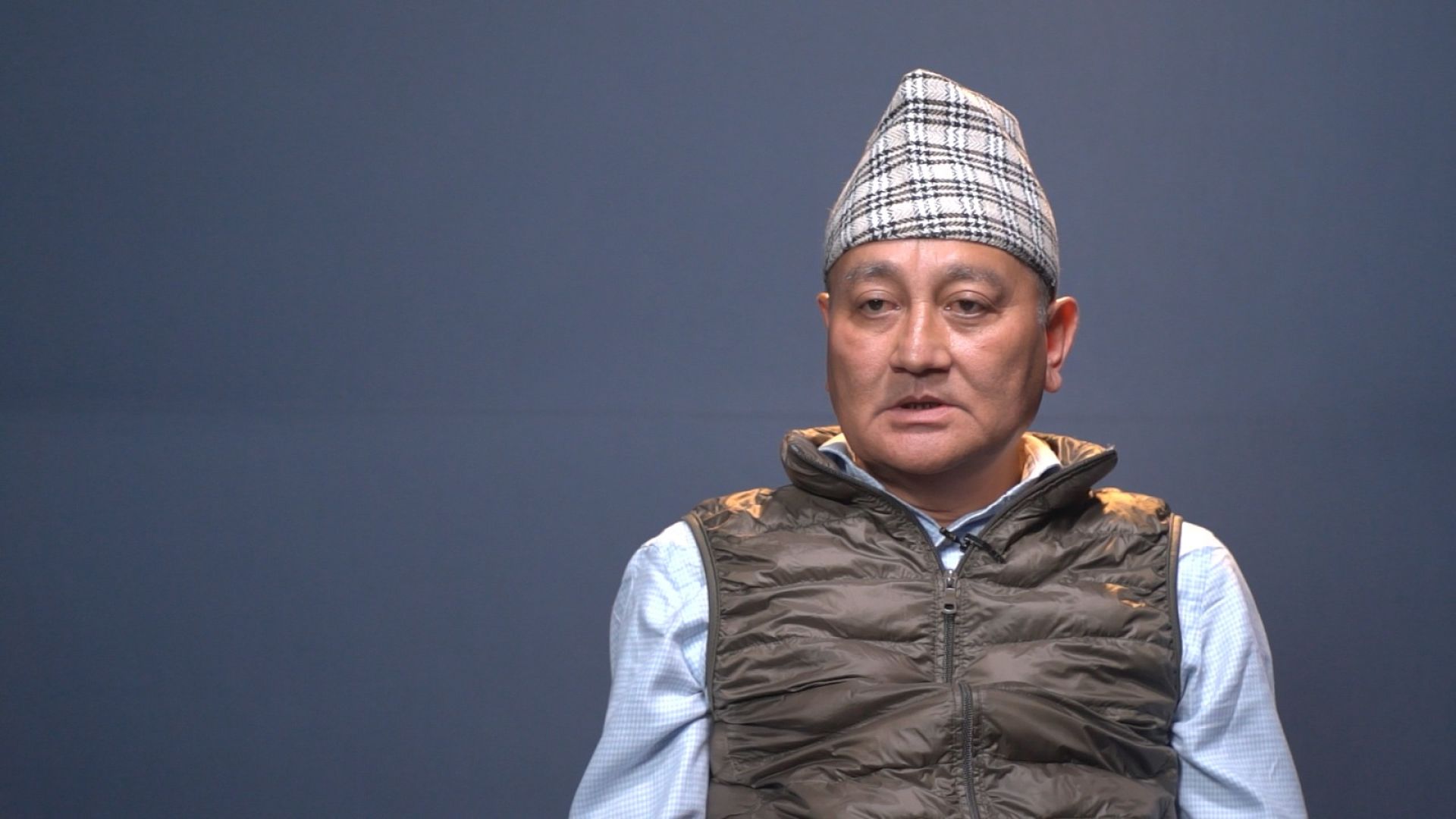
Trade union activists have viewed this decision with deep suspicion and concern, labeling it an assault on the constitutional rights of workers. Ajay Kumar Rai, General Secretary of the Nepal Trade Union Congress and a global executive committee member of the International Transport Workers' Federation (ITF) London, stated that the move has left the working class in a state of confusion.
Rai warned that this step contradicts both the Constitution of Nepal and international labor laws:
- Constitutional Violation: Rai pointed out that Article 34 (3) of the Constitution guarantees every worker the right to form and join trade unions and engage in collective bargaining.
- Legal Conflict: The Civil Service Act (1992), Section 53, also provides for trade union rights. Rai argues that the government cannot simply abolish these rights through an executive agenda.
"We are confused ourselves. It is unclear exactly what the government wants to abolish," Rai said. "Trade unions are the voice of the voiceless. They were established after the 1990 political revolution and have played a vital role in ensuring social security."
International Reputation at Risk
Rai further highlighted that global labor watchdogs currently list 10 countries as the worst for workers' rights. He warned that if this decision proceeds, Nepal could risk joining that list as the 11th country, which would be "fatal" to Nepal’s international image.
He reflected on the history of the movement, noting that while the labor movement gained momentum under leaders like Girija Prasad Koirala (who initiated the Labor Act), subsequent governments—including those led by Communist parties—have failed to deliver expected benefits to workers.
The Road Ahead: Dialogue or Protest?
Responding to the government's claim that unions hinder performance, Rai suggested that if there are issues with how unions operate, the government should seek solutions through dialogue rather than outright abolition.
"A democratic government should not abandon the path of conversation," Rai remarked, adding that economic and social transformation is impossible without empowering the working class.
Current Status: Trade unions have currently adopted a "wait and watch" strategy. The future relationship between the government and labor organizations will depend on how the government defines "partisan trade unions" and what legal mechanisms it uses to implement this agenda. However, labor leaders have already signaled that they are prepared to take to the streets if any "unpleasant" decisions are enforced.




सञ्चार रजिष्ट्रारको कार्यालय दर्ता प्रमाणपत्र नंः
००१७६/०७९-०८०