बुधबार १४ असोज, २०८३,
Wed, 30 Sep, 2026
बुधबार १४ असोज, २०८३,
Wed, 30 Sep, 2026
A good leader inspires and motivates others, possesses strong communication skills, shows empathy, makes sound decisions, and fosters a positive and collaborative environment within a team or organization. Leadership style that often proves effective is the participative or democratic leadership style.
This style emphasizes collaboration, shared decision-making, and involvement of team members in the decision-making process. In any organization setting where collective goals and mutual benefit are paramount, participative leadership aligns well with the values of inclusivity, teamwork, and consensus-building. By involving employees or members in the decision-making process, leaders in any sectors foster a sense of ownership, empowerment, and commitment among the team. This style encourages individuals to contribute ideas, share their perspectives, and take responsibility for the organization's success. It aligns with the organization basic principles of democratic control and member participation, contributing to a more engaged and motivated workforce. While participative leadership is often effective in organization settings, the appropriate leadership style can vary based on specific situations, the organization's culture, and the nature of tasks.
Flexibility in leadership approach while staying true to the organization values and principles is essential for success in any sector. In conclusion, the major concluding 100 qualities, requirements, and characteristics for good leadership encompass a diverse array of traits essential for effective leadership:
1. Accessibility: Accessibility for a good leader involves being approachable, available, and open to communication with team members, stakeholders, and colleagues. A leader who prioritizes accessibility creates an environment where individuals feel comfortable reaching out for guidance, feedback, or discussions. They maintain an open-door policy, respond promptly to inquiries, and actively engage with their team to address concerns or offer support. Accessibility also includes providing opportunities for team members to share ideas, voice their opinions, and contribute to discussions. By being accessible, leaders foster a sense of inclusion, trust, and collaboration, ultimately enhancing transparency and communication within the organization.
2. Accountability: Accountability in a leader signifies taking responsibility for one's actions, decisions, and their outcomes. A leader who values accountability holds themselves and their team members answerable for their performance, commitments, and goals. They ensure transparency in processes, acknowledge mistakes, learn from them, and take steps to rectify any errors or shortcomings. This fosters trust, integrity, and a culture of ownership within the team or organization.
3. Adaptability: Adaptability in a leader refers to the capability to adjust and thrive in changing circumstances. A leader who is adaptable can pivot strategies, approaches, and methods in response to evolving situations or unforeseen challenges. They embrace change, encourage flexibility within their team, and remain open to new ideas or ways of doing things. An adaptable leader fosters resilience and helps the team navigate uncertainties, ensuring continued progress towards goals despite varying conditions.
4. Adaptation to change: Adaptation to change for a good leader involves the ability to adjust, evolve, and navigate effectively in response to new circumstances, challenges, or opportunities. A leader who excels in adapting to change remains flexible, embraces innovation, and encourages a culture of agility within their team or organization. They anticipate change, analyze its implications, and guide their team through transitions by fostering resilience and maintaining focus on goals amidst changing conditions. Leaders who adapt effectively inspire confidence, promote proactive problem-solving, and enable their team to thrive in dynamic environments, driving continuous improvement and success.
5. Adaptation to technology: Adaptation to technology for a good leader involves embracing and effectively leveraging technological advancements to enhance productivity, efficiency, and innovation within their team or organization. A leader who adapts to technology stays updated on emerging tools, platforms, and trends, understanding how these advancements can benefit the organization's goals and operations. They encourage the adoption of technology, facilitate training when needed, and support the integration of digital tools that streamline processes and improve outcomes. Adapting to technology allows leaders to stay competitive, optimize workflows, and drive growth by harnessing the full potential of technological advancements for the benefit of the team and the organization.
6. Analytical thinking: Analytical thinking for a good leader involves the capacity to systematically assess and evaluate information, data, or situations to draw well-informed conclusions and make sound decisions. A leader who employs analytical thinking breaks down complex problems into smaller components, analyzes the details, identifies patterns, and uses logic and reasoning to understand cause-and-effect relationships. They base their decisions on evidence and critical analysis, which allows them to anticipate outcomes, mitigate risks, and devise effective strategies. Analytical thinking enables leaders to make informed choices and navigate challenges by considering various perspectives and data-driven insights.
7. Analyzing risks: Analyzing risks for a good leader involves the systematic evaluation and assessment of potential threats, uncertainties, or opportunities that may impact the team or organization. A leader skilled in risk analysis identifies potential hazards, assesses their likelihood and potential impact, and develops strategies to mitigate or manage these risks effectively. They analyze both internal and external factors that could affect the organization's objectives, considering various scenarios and their potential outcomes. Through careful risk analysis, leaders can make informed decisions, anticipate challenges, allocate resources prudently, and develop contingency plans to minimize negative impacts and capitalize on potential opportunities.
8. Assertiveness: Assertiveness for a good leader involves the ability to express thoughts, opinions, and expectations confidently and respectfully. A leader who is assertive communicates clearly, stands firm in their convictions, and articulates their ideas without being aggressive or domineering. They assert their needs and boundaries while also considering the viewpoints of others. Assertive leaders encourage open dialogue, facilitate decision-making, and ensure that their team understands objectives and expectations. This trait fosters effective communication, encourages accountability, and creates a balanced and productive work environment.
9. Authenticity: Authenticity for a good leader involves being genuine, transparent, and true to oneself in actions, values, and communication. An authentic leader stays true to their core beliefs, principles, and personality, without pretense or artificiality. They demonstrate consistency between their words and actions, build trust by being sincere, and foster genuine connections with their team members. Authenticity allows leaders to create a culture of openness, honesty, and trust within the organization, inspiring loyalty and respect from their team.
10. Charisma: Charisma in a leader involves having a magnetic personality, charm, and the ability to inspire and influence others. It's about exuding confidence, passion, and enthusiasm, which captivates and motivates people. Charismatic leaders have a compelling presence, great communication skills, and the ability to connect emotionally with others, making them persuasive and effective in rallying support for their vision and goals.
11. Charismatic presence: charismatic presence for a good leader refers to a captivating and influential demeanor that engages and inspires others. A leader with charismatic presence possesses a compelling and magnetic personality that attracts people. They have an aura of confidence, enthusiasm, and charm that draws others in and motivates them to follow their vision. This presence enables them to effectively communicate their ideas, build connections, and inspire trust and loyalty within their team or organization. Charismatic leaders often have a strong impact on others, making them influential and persuasive figures.
12. Collaboration: Collaboration for a good leader involves working effectively with team members, departments, or external parties to achieve common goals. A leader who prioritizes collaboration fosters an environment where individuals contribute their unique skills and expertise towards shared objectives. They encourage open communication, value diverse perspectives, and promote teamwork by facilitating cooperation and coordination among team members. A collaborative leader cultivates an inclusive culture that harnesses the collective strengths of the team, resulting in innovative solutions, improved decision-making, and overall organizational success.
13. Commitment: Commitment for a leader involves dedication, persistence, and a steadfast adherence to goals, values, and responsibilities. A committed leader demonstrates unwavering dedication to their vision and mission, setting an example for their team through their actions and determination. They prioritize the success of the team or organization, investing time and effort to achieve objectives, overcome challenges, and ensure the fulfillment of promises and obligations. A committed leader inspires and motivates their team, fostering a culture of perseverance, focus, and achievement.
14. Communication skills: Communication skills is an ability to convey ideas, information, and expectations clearly and effectively to others. It includes both verbal and non-verbal communication, active listening, empathy in understanding others' perspectives, and adapting communication style to different audiences. A leader with strong communication skills can inspire, motivate, and align their team by articulating visions, goals, and strategies, fostering collaboration and ensuring everyone understands their roles and responsibilities.
15. Community involvement: Community involvement for a good leader entail actively engaging with and contributing to the broader community outside the immediate scope of their organization. A leader involved in the community participates in civic, social, or charitable activities that aim to positively impact society. They collaborate with local groups, support community initiatives, and encourage their team to participate in volunteer work or community service. This involvement demonstrates the leader's commitment to social responsibility and creating a positive impact beyond the organization's goals. Community involvement also fosters goodwill, strengthens relationships, and builds a positive reputation for both the leader and the organization within the community.
16. Compassion: Compassion for a good leader involves showing genuine care, empathy, and understanding towards others. A compassionate leader is attuned to the emotions and needs of their team members, clients, or stakeholders. They demonstrate kindness, consideration, and a willingness to support others during difficult times. Compassionate leaders listen actively, offer assistance, and create a supportive environment where individuals feel valued, understood, and motivated. By displaying compassion, leaders foster trust, build strong relationships, and inspire a sense of belonging and camaraderie within their team or organization.
17. Confidence: Confidence in a leader refers to having a strong belief in oneself, one's abilities, and decisions. A confident leader exudes self-assurance, which inspires trust and reassurance in others. They demonstrate conviction in their vision, decisions, and actions, even in the face of uncertainty or challenges. Confidence helps a leader to make bold choices, take calculated risks, and motivate their team by providing a sense of direction and stability.
18. Conflict management: Conflict management for a good leader involves the ability to address and resolve conflicts or disagreements within the team or organization effectively. A leader skilled in conflict management approaches disputes calmly, objectively, and with the intention of finding a mutually agreeable resolution. They facilitate open communication, listen to all parties involved, and encourage collaborative problem-solving. A leader proficient in conflict management aims to identify the root causes of conflicts, address underlying issues, and guide the team towards reaching a resolution that satisfies the needs of everyone involved. This skill fosters a positive work environment, improves relationships, and helps the team navigate challenges more effectively.
19. Conflict prevention: Conflict prevention for a good leader involves proactively identifying, addressing, and mitigating factors that could lead to disputes, misunderstandings, or tensions within the team or organization. A leader focused on conflict prevention creates an environment that encourages open communication, respect, and understanding among team members. They establish clear expectations, promote a culture of collaboration, and address potential sources of conflict before they escalate. This includes fostering a sense of inclusivity, providing regular feedback, resolving differences diplomatically, and fostering a positive work environment where diverse perspectives are valued. By actively working to prevent conflicts, leaders create a harmonious atmosphere that allows the team to focus on productivity and achieving common goals.
20. Conflict resolution: Conflict resolution for a leader involves the ability to address and resolve disagreements or disputes within the team or organization effectively. A leader skilled in conflict resolution listens attentively to all parties involved, understands different perspectives, and facilitates discussions toward finding mutually agreeable solutions. They remain neutral, promote open communication, and mediate conflicts with empathy and diplomacy, aiming to reach resolutions that satisfy all parties involved. Effective conflict resolution skills create a harmonious work environment, strengthen relationships, and encourage collaboration and understanding among team members.
21. Consistency: Consistency for a good leader involves maintaining a steady and reliable approach in actions, decisions, and behaviors over time. A consistent leader upholds a stable set of values, principles, and standards, ensuring that their actions align with these guiding principles consistently. They follow through on commitments, communicate clearly and predictably, and make decisions that are in harmony with their established vision and goals. Consistency builds trust, reliability, and stability within the team, providing a sense of direction and predictability that fosters a positive work environment.
22. Constructive feedback: Constructive feedback for a good leader involves providing insightful, specific, and helpful information to team members aimed at improving their performance, skills, or behavior. A leader offering constructive feedback focuses on strengths as well as areas for improvement, delivering feedback in a respectful and supportive manner. They provide actionable suggestions, offer guidance, and emphasize the positive aspects of the individual's work while highlighting areas that need development. Constructive feedback is geared towards fostering growth, learning, and skill enhancement rather than criticizing or demoralizing team members. Leaders who give constructive feedback effectively inspire growth, encourage continuous improvement, and contribute to the development of a more capable and confident team.
23. Continuous learning: Continuous learning for a good leader involves an ongoing commitment to expanding knowledge, acquiring new skills, and staying updated on industry trends, best practices, and emerging technologies. A leader who prioritizes continuous learning seeks out opportunities for professional development, whether through formal education, workshops, networking, or self-study. They encourage a culture of curiosity, learning, and skill enhancement within their team or organization. Continuous learning enables leaders to adapt to changes, innovate, and make informed decisions based on the latest information and insights. It also sets an example for the team, fostering a culture of growth, adaptability, and improvement.
24. Courage: Courage in a leader signifies the willingness to take risks, confront challenges, and make difficult decisions despite uncertainties or potential adversity. A courageous leader steps out of their comfort zone, stands up for their beliefs, and takes calculated risks in pursuit of their vision. They inspire others by demonstrating bravery, resilience, and determination, even in the face of opposition or difficult situations. Courageous leaders instill confidence in their team, fostering an environment where innovative ideas thrive, and challenges are faced head-on, leading to growth and progress.
25. Creativity: Creativity for a good leader involves the ability to generate innovative ideas, approaches, and solutions to address challenges or achieve goals. A leader who values creativity encourages out-of-the-box thinking, welcomes diverse perspectives, and fosters an environment that nurtures imagination and originality. They inspire their team to explore new possibilities, take calculated risks, and push boundaries to find novel solutions. Creative leaders promote an atmosphere of innovation, enabling their team to generate fresh ideas, adapt to change, and stay ahead in a competitive landscape.
26. Crisis management: Crisis management for a good leader involves the ability to navigate and handle unexpected or challenging situations effectively, minimizing potential damage and guiding the team or organization through the crisis. A leader skilled in crisis management remains calm under pressure, assesses the situation promptly, and formulates a strategic response plan. They communicate transparently, make informed decisions quickly, and prioritize actions to mitigate the impact of the crisis. Good crisis management involves mobilizing resources, coordinating efforts, and leading the team through uncertain times, fostering resilience and stability while working towards resolving the crisis and ensuring a return to stability.
27. Critical thinking: Critical thinking for a good leader involves the ability to analyze, evaluate, and interpret information objectively and logically. A leader with strong critical thinking skills can assess complex situations, weigh various perspectives, and make well-reasoned decisions based on evidence and sound reasoning. They question assumptions, consider multiple viewpoints, and seek to understand the root causes of problems before formulating solutions. Critical thinking enables leaders to make informed judgments, solve problems effectively, and anticipate potential outcomes or consequences, contributing to better decision-making and strategic planning within their team or organization.
28. Cultural intelligence: Cultural intelligence for a good leader involves the ability to understand, adapt to, and work effectively with people from different cultural backgrounds. A leader with cultural intelligence is sensitive to cultural nuances, values diversity, and is open to learning about various cultural perspectives and practices. They demonstrate respect, empathy, and an inclusive mindset when interacting with individuals from diverse backgrounds. Cultural intelligence allows leaders to navigate cross-cultural interactions more effectively, foster a harmonious and inclusive work environment, and leverage the strengths that diverse perspectives bring to the team.
29. Curiosity: Curiosity for a good leader involves a continuous desire to learn, explore, and seek new knowledge or understanding. A leader who embodies curiosity asks questions, seeks diverse perspectives, and is open to exploring new ideas and possibilities. They show genuine interest in understanding different viewpoints, trends, and innovations within their field or industry. Curious leaders foster a culture of learning and innovation within their team by encouraging exploration, experimentation, and a willingness to try new approaches. This trait drives creativity, adaptability, and a forward-thinking mindset, contributing to a culture of continuous improvement and growth within the organization.
30. Decision-making Prowess: Decision-making prowess for a good leader involves the ability to make effective, timely, and well-informed decisions. A leader with decision-making prowess evaluates available information, weighs alternatives, considers potential outcomes and risks, and then selects the best course of action based on the situation. They are decisive, confident, and able to navigate complex scenarios, making choices that align with organizational goals and values. A leader's decision-making prowess enables them to steer the team or organization in the right direction, inspiring trust and confidence among team members and stakeholders while driving progress and achieving objectives.
31. Decisiveness: Decisiveness in a leader refers to the ability to make timely, firm, and effective decisions, even in challenging or uncertain situations. A decisive leader assesses available information, weighs options, and takes action without hesitation. They display confidence in their choices and are willing to take responsibility for the outcomes, steering the team or organization forward with clarity and purpose.
32. Delegating Authority: Delegating authority for quality means entrusting responsibilities to others while maintaining oversight. A good leader delegates authority by empowering team members, ensuring they have the resources, guidance, and support needed to excel. This practice fosters growth, develops skills, and builds a more capable and efficient team. Effective delegation is about finding the right balance between control and autonomy, ultimately contributing to better outcomes and a more cohesive team.
33. Delegation skills: Delegation skills for a leader involve the ability to effectively assign tasks, responsibilities, and decision-making authority to the right individuals within the team. A leader with strong delegation skills understands their team members' strengths, weaknesses, and capabilities, enabling them to entrust appropriate tasks to the most qualified individuals. They provide clear instructions, set expectations, and offer support while empowering their team to take ownership of their assigned duties. Effective delegation allows leaders to focus on higher-level tasks, fosters skill development among team members, and promotes a more efficient and productive work environment.
34. Diplomacy: Diplomacy for a good leader involves the skillful handling of sensitive or challenging situations while maintaining tact, discretion, and respect for others. A leader who is diplomatic navigates conflicts, negotiations, or interactions thoughtfully, considering the perspectives and emotions of all involved parties. They communicate effectively, use language that fosters understanding, and find common ground to reach mutually beneficial solutions. Diplomatic leaders remain composed under pressure, build bridges between differing opinions, and promote harmony and cooperation within the team or among diverse stakeholders. Diplomacy enables leaders to manage relationships, resolve conflicts, and achieve objectives while preserving goodwill and positive relationships.
35. Drive for excellence: Drive for excellence for a good leader involves a relentless pursuit of the highest standards of performance, quality, and achievement. A leader with a drive for excellence sets ambitious goals, encourages continuous improvement, and inspires their team to exceed expectations. They foster a culture that values innovation, learning, and pushing boundaries to achieve the best possible outcomes. Leaders driven by excellence consistently seek ways to improve processes, enhance productivity, and deliver exceptional results. This commitment to excellence motivates and energizes the team, instilling a sense of pride, ownership, and a continuous quest for improvement within the organization.
36. Emotional intelligence: Emotional intelligence in a leader refers to the ability to recognize, understand, and manage both their own emotions and those of others. A leader with high emotional intelligence can empathize with their team members, navigate social complexities, and make decisions that consider emotions and interpersonal dynamics. They exhibit self-awareness, self-regulation, empathy, strong relationship management, and effective communication skills, which collectively contribute to a positive and emotionally supportive work environment. Leaders with emotional intelligence can handle conflicts effectively, inspire and motivate their team, and foster strong, collaborative relationships.
37. Emotional stability: Emotional stability for a good leader refers to the capacity to maintain a balanced and composed demeanor, especially in challenging or high-pressure situations. A leader with emotional stability demonstrates resilience, self-control, and the ability to manage their emotions effectively. They remain calm, focused, and composed, regardless of the circumstances, enabling them to make rational decisions and provide steady guidance to their team. Emotional stability allows leaders to navigate stress, uncertainties, and conflicts without being overwhelmed by emotions, contributing to a stable and supportive work environment.
38. Empathy: Empathy for a leader involves the ability to understand and share the feelings, perspectives, and experiences of others. A leader with empathy listens actively, shows compassion, and considers the emotions and needs of their team members. They create a supportive environment where individuals feel understood, valued, and motivated. Empathetic leaders make decisions that take into account the impact on people and strive to foster a culture of inclusivity and support within their organization.
39. Empowerment: Empowerment for a good leader involves delegating authority, providing autonomy, and fostering a sense of confidence and capability within their team members. A leader who empowers their team encourages individuals to make decisions, take initiative, and take ownership of their work. They provide the necessary resources, support, and guidance while allowing room for creativity and innovation. Empowerment enables team members to grow, develop new skills, and contribute effectively to the organization's success, fostering a culture of trust, motivation, and accountability within the team.
40. Endorsement of innovation: Endorsement of innovation for a good leader involves actively supporting and promoting a culture of creativity, new ideas, and forward-thinking within their team or organization. A leader who endorses innovation encourages team members to explore new approaches, experiment with different solutions, and take calculated risks to drive progress and growth. They provide resources, allocate time for experimentation, and reward or recognize innovative thinking and initiatives. By endorsing innovation, leaders foster an environment that embraces change, encourages learning from failure, and stimulates continuous improvement and adaptability. This approach enables the team to stay competitive, explore new opportunities, and drive meaningful advancements within the organization.
41. Endurance: Endurance for a good leader involves the ability to withstand challenges, setbacks, and difficulties while maintaining resilience and determination. A leader with endurance stays committed to their goals, perseveres through obstacles, and remains resilient in the face of adversity. They display stamina, mental fortitude, and the willingness to continue working towards objectives even when faced with long-term challenges or setbacks. Endurance in leadership inspires and motivates the team, creating a culture of resilience, perseverance, and determination to overcome obstacles and achieve success in the long run.
42. Environmental consciousness: Environmental consciousness for a good leader involves being aware of and actively considering the environmental impact of their decisions and actions within the organization. A leader with environmental consciousness seeks to minimize the ecological footprint of operations and processes. They promote sustainability initiatives, such as reducing waste, conserving resources, implementing eco-friendly practices, and adopting green technologies whenever possible. Additionally, they might encourage policies that support environmental responsibility, such as recycling programs or energy-efficient practices. A leader's environmental consciousness demonstrates their commitment to corporate social responsibility, contributing to a healthier environment and a positive image for the organization.
43. Ethical behavior: ethical behavior for a good leader involves consistently adhering to a set of moral principles, values, and standards in their actions, decisions, and interactions. A leader who demonstrates ethical behavior operates with integrity, honesty, and fairness, regardless of the situation. They uphold ethical standards, follow laws and regulations, and prioritize the well-being and rights of others. Ethical leaders make decisions based on what is right and just, considering the impact of their actions on stakeholders and the wider community. Their commitment to ethical behavior fosters trust, respect, and credibility, creating a positive organizational culture where integrity and ethical conduct are valued and practiced by everyone
44. Fairness: Fairness for a good leader involves treating everyone impartially and justly, regardless of personal biases or preferences. A leader who values fairness ensures that decisions, opportunities, and resources are distributed equitably among team members. They base their judgments on merit, performance, and objective criteria rather than favoritism or prejudice. Fair leaders create an environment where everyone feels valued and respected, promoting a sense of trust, transparency, and equality within the team or organization. Fairness fosters a culture of inclusivity, encourages collaboration, and enhances morale and motivation among team members.
45. Feedback receptiveness: Feedback receptiveness for a good leader involves being open and responsive to feedback from others, whether it's from team members, peers, or superiors. A leader who values feedback actively seeks input, listens attentively, and considers suggestions or criticisms with an open mind. They don't perceive feedback as criticism but rather as valuable insights that can help them grow and improve. A receptive leader encourages a culture of open communication, welcomes diverse viewpoints, and takes action based on the feedback received, fostering continuous learning and development within the team or organization.
46. Financial acumen: Financial acumen for a good leader involves possessing a solid understanding of financial principles, concepts, and practices that impact the organization's financial health and decision-making processes. A leader with financial acumen comprehends financial statements, budgeting, forecasting, cash flow management, and the interpretation of financial data. They can assess the financial implications of decisions, strategies, and initiatives and make informed choices that align with the organization's financial goals. Financially astute leaders use their knowledge to drive profitability, manage resources efficiently, and make strategic investments that contribute to the overall success and sustainability of the organization.
47. Focus: focus for a good leader involves the ability to concentrate on priorities, objectives, and tasks without being easily distracted. A leader who embodies focus remains dedicated to the goals and strategies set forth, directing their attention and efforts towards achieving them. They maintain clarity of purpose, avoid getting sidetracked by less important matters, and guide their team towards the defined objectives. Focused leaders effectively manage their time and resources, make informed decisions, and inspire the team to stay aligned with the overarching goals, ultimately driving productivity and success.
48. Foresight: Foresight for a good leader involves the ability to anticipate future trends, challenges, and opportunities. A leader with foresight has a strategic vision and can predict potential outcomes based on current situations and trends. They analyze data, consider various scenarios, and plan ahead to proactively address potential challenges or capitalize on upcoming opportunities. Foresight enables leaders to make informed decisions, steer their team or organization in the right direction, and adapt strategies to stay ahead in a rapidly changing environment. Leaders with foresight are proactive, innovative, and better prepared to navigate uncertainties and lead their team towards long-term success.
49. Generosity: Generosity for a good leader involves a willingness to give, share, and support others without expecting anything in return. A generous leader goes beyond fulfilling their responsibilities by offering their time, resources, expertise, and support to assist team members, colleagues, or the community. They display kindness, empathy, and a genuine desire to help others succeed and thrive. Generous leaders inspire a culture of collaboration, support, and gratitude within their team or organization. Their generosity fosters goodwill, trust, and stronger relationships, creating a positive and supportive environment where everyone feels valued and supported.
50. Global perspective: Having a global perspective as a leader involves understanding and considering diverse cultural, economic, social, and political factors that impact organizations and societies worldwide. A leader with a global perspective possesses awareness and knowledge of international trends, markets, and issues. They consider the interconnectedness of the world, embrace diversity, and value different viewpoints and approaches. This broader perspective enables leaders to make informed decisions, anticipate global trends, navigate complexities in an increasingly interconnected world, and effectively lead in diverse and multicultural environments.
51. Goal-oriented: Being goal-oriented for a good leader involves setting clear objectives and consistently working towards achieving them. A leader who is goal-oriented defines specific, measurable, achievable, relevant, and time-bound (SMART) goals for themselves and their team. They provide direction, motivate others, and align efforts towards accomplishing these objectives. A goal-oriented leader monitors progress, adjusts strategies as needed, and ensures that everyone understands their role in contributing to the larger organizational goals. This focus on goals drives productivity, encourages accountability, and leads to success in achieving desired outcomes.
52. Gratitude: Gratitude for a good leader involves expressing appreciation and recognizing the contributions, efforts, and achievements of their team members, colleagues, and stakeholders. A leader who practices gratitude acknowledges and values the work, dedication, and support of others. They express thanks sincerely, regularly, and in various forms, such as verbal appreciation, recognition programs, or gestures of acknowledgment. Grateful leaders create a positive and supportive environment, fostering a sense of value, motivation, and loyalty among team members. This practice of gratitude also strengthens relationships, encourages collaboration, and contributes to a more engaged and productive team.
53. Holistic perspective: A holistic perspective for a good leader involves considering and understanding the interconnectedness and interdependencies of various aspects within and outside the organization. A leader with a holistic perspective takes into account not only the immediate goals and operations but also the broader context, including societal, environmental, and long-term implications of decisions. They view situations, challenges, and opportunities from multiple angles, recognizing the complexity and diverse factors involved. This approach enables leaders to make more comprehensive, informed decisions that consider the wider impact on stakeholders, the community, and the organization as a whole. Leaders with a holistic perspective strive for balance, sustainability, and overall well-being in their decision-making processes.
54. Honesty: Honesty in a leader means consistently presenting the truth and being transparent in their actions and communication. A leader who values honesty is truthful, sincere, and authentic in their dealings with others. They build trust by being straightforward, admitting mistakes, and maintaining integrity even when facing difficult situations. Honesty fosters a culture of openness, encourages ethical behavior, and creates an environment where team members feel secure and valued, leading to stronger relationships and higher morale within the team.
55. Humility: Humility in a leader refers to possessing a modest and humble attitude despite their position or achievements. A humble leader acknowledges their strengths and weaknesses, values others' contributions, and is open to learning from anyone, regardless of their status. They prioritize the success of the team over personal recognition, admit mistakes, and give credit where it's due, fostering a culture of respect, collaboration, and continuous improvement within the organization.
56. Independence: Independence for a good leader involves the ability to think and act autonomously while making decisions and leading their team. An independent leader can assess situations objectively, relying on their own judgment, experiences, and insights to guide their actions and choices. They're capable of making decisions without undue influence or reliance on external pressures. However, this doesn't mean isolation; rather, it emphasizes a leader's capacity to think critically and take responsibility for their decisions while considering input from others. Independence in leadership often fosters innovation, confidence, and a sense of direction within the team or organization.
57. Innovation: Innovation for a leader involves fostering a culture that encourages creativity, new ideas, and continuous improvement within the team or organization. A leader who values innovation encourages exploration of novel solutions, welcomes diverse perspectives, and supports experimentation and calculated risk-taking. They promote an environment where individuals feel empowered to propose and implement innovative ideas that drive growth, efficiency, and competitiveness. A focus on innovation enables leaders to adapt to changing landscapes, stay ahead in their industry, and inspire a culture of forward-thinking and adaptability within their team.
58. Innovative thinking: Innovative thinking for a good leader involves the ability to generate and implement creative and original ideas to solve problems, improve processes, and drive progress within the organization. A leader who values innovative thinking encourages experimentation, welcomes new approaches, and fosters a culture that supports and rewards creativity and out-of-the-box thinking. They inspire their team to challenge conventional methods, explore new technologies, and embrace change as a means of continuous improvement. Leaders promoting innovative thinking are open to diverse perspectives, take calculated risks, and encourage an environment where calculated risks and unconventional ideas are welcomed and explored. This approach enables leaders to stay ahead in a rapidly changing landscape, spark innovation, and drive the organization towards growth and success.
59. Inspirational: Being inspirational as a leader involves the ability to motivate and ignite enthusiasm in others. Inspirational leaders possess a compelling vision and communicate it effectively, sparking passion and dedication in their team members. They lead by example, displaying passion, determination, and authenticity, which inspires others to work towards a shared goal. Through their actions, words, and attitude, they elevate morale, encourage creativity, and drive their team to achieve extraordinary results.
60. Integrity: Integrity in a leader refers to the quality of being honest, ethical, and having strong moral principles. It involves consistency in one's actions, values, methods, and measures. A leader with integrity is trustworthy, maintains transparency, and upholds ethical standards, which earns them respect and credibility from their team. They prioritize doing what's right over what's convenient, ensuring their actions align with their words and values.
61. Listening skills: Listening skills for a good leader involve actively paying attention to others' thoughts, opinions, and concerns. A leader who values listening takes the time to understand what their team members are saying without interrupting or imposing their own ideas. They show empathy, engage in attentive and non-judgmental listening, and encourage open communication within the team. By listening effectively, leaders gain valuable insights, build stronger relationships, and make more informed decisions that consider diverse perspectives within the organization.
62. Long-term thinking: Long-term thinking for a good leader involves the ability to envision and plan for the future, considering the sustainable growth and success of the organization over an extended period. A leader with long-term thinking focuses on strategic planning, setting goals, and making decisions that consider the implications and consequences in the long run rather than short-term gains. They anticipate industry trends, market changes, and potential challenges, devising strategies that position the organization for long-term viability and success. Long-term thinking encourages investment in innovation, talent development, and infrastructure that will benefit the organization well into the future, fostering stability and sustainable growth.
63. Mentorship: Mentorship for a good leader involves guiding and supporting individuals within their team or organization to help them develop professionally and personally. A leader who embraces mentorship invests time and effort in sharing knowledge, providing guidance, and offering advice to their team members. They help others identify strengths, weaknesses, and areas for growth, providing constructive feedback and encouragement along the way. A mentorship-oriented leader empowers individuals to reach their full potential, fosters a culture of continuous learning, and contributes to the overall growth and success of their team.
64. Negotiation skills: Negotiation skills for a good leader involve the ability to reach mutually beneficial agreements or solutions through communication and compromise. A leader with strong negotiation skills can understand the needs and perspectives of different parties, articulate their own objectives clearly, and find common ground to resolve conflicts or make deals. They listen actively, remain composed under pressure, and seek win-win outcomes that satisfy all involved stakeholders. Effective negotiation skills enable leaders to navigate complex situations, build relationships, and foster collaboration within their team or across organizations.
65. Networking skills: Networking skills for a good leader involve the ability to build and maintain relationships with a diverse range of individuals and groups. A leader with strong networking skills cultivates connections within and outside their organization, fostering mutually beneficial relationships. They engage with stakeholders, industry peers, potential collaborators, and experts to exchange information, seek advice, and leverage opportunities. Networking leaders possess effective communication, interpersonal skills, and the ability to establish rapport, which allows them to access resources, gather insights, and create strategic alliances. By nurturing a broad network, leaders can gain support, stay informed about industry trends, and facilitate growth and opportunities for their team or organization.
66. Open-mindedness: Open-mindedness in a leader refers to the willingness to consider new ideas, perspectives, and approaches without bias or preconceived notions. An open-minded leader embraces diversity of thought, encourages innovative thinking, and values input from their team members regardless of hierarchy. They actively listen to different viewpoints, remain flexible in their thinking, and adapt their strategies based on valuable insights. Open-minded leaders create an inclusive environment that fosters creativity, learning, and continuous improvement within the team or organization.
67. Patience: Patience in a leader refers to the ability to remain calm, tolerant, and understanding in the face of challenges, setbacks, or delays. A patient leader doesn't rush decisions, acknowledges that progress takes time, and understands that different situations may require varying timeframes for resolution. They maintain composure, offer support, and guide their team through difficulties without becoming frustrated or losing sight of long-term goals. Patience fosters a positive work environment, encourages learning from mistakes, and allows for thoughtful, well-considered decisions that contribute to sustained success.
68. Persuasion skills: Persuasion skills for a good leader involve the ability to influence and convince others to adopt a particular viewpoint, idea, or course of action. A leader with strong persuasion skills communicates persuasively, tailoring their message to resonate with their audience's values, interests, and needs. They use compelling reasoning, storytelling, and effective communication techniques to win support for their vision or initiatives. Persuasion skills enable leaders to inspire enthusiasm, build consensus, and rally their team or stakeholders behind common goals, fostering alignment and commitment towards achieving shared objectives.
69. Positivity: Positivity for a good leader involves maintaining an optimistic and constructive attitude even in challenging situations. A leader who embodies positivity remains hopeful, focuses on opportunities rather than obstacles, and inspires their team with an upbeat and encouraging outlook. They approach setbacks as learning opportunities, foster a can-do attitude within the team, and motivate others by radiating enthusiasm and resilience. Positivity creates a supportive work environment, boosts morale, and helps the team navigate difficulties with a solution-oriented mindset.
70. Pragmatism: Pragmatism for a good leader involves a practical and realistic approach to problem-solving and decision-making. A pragmatic leader focuses on achievable and practical solutions, considering what is feasible within the given circumstances and constraints. They prioritize actions that are effective and efficient, emphasizing practicality and real-world results over purely theoretical or idealistic approaches. A pragmatic leader assesses situations objectively, weighs options, and makes decisions based on what is most likely to yield successful outcomes, given the available resources and constraints. This approach ensures that the team stays focused on practical goals and feasible solutions, contributing to tangible progress and success.
71. Prioritization skills: Prioritization skills for a good leader involve the ability to identify, organize, and manage tasks or objectives based on their importance, urgency, and impact. A leader with strong prioritization skills can distinguish between critical and less critical tasks, allocating time, resources, and attention accordingly. They establish clear goals and objectives, assess the importance of each, and create a plan to tackle them effectively. Prioritization skills enable leaders to focus on high-impact activities, manage time efficiently, and ensure that the team is aligned with the most critical goals and initiatives, leading to increased productivity and successful outcomes.
72. Problem-solving skills: Problem-solving skills for a leader involve the ability to identify, analyze, and resolve issues or challenges effectively and efficiently. A leader with strong problem-solving skills can assess complex situations, break them down into manageable components, and develop practical solutions. They encourage critical thinking among their team members, foster a culture of innovation, and support creative problem-solving approaches. Effective problem-solving skills enable leaders to navigate obstacles, make informed decisions, and lead their team towards successful outcomes.
73. Professionalism: Professionalism for a good leader involves maintaining high standards of behavior, ethics, and conduct in their interactions and responsibilities. A leader who embodies professionalism demonstrates integrity, reliability, and a commitment to ethical practices. They adhere to established norms, display a respectful attitude, and prioritize delivering quality work. Professional leaders communicate effectively, handle conflicts diplomatically, and show accountability for their actions. They set an example for their team by showing dedication to their role, maintaining a positive attitude, and treating others with respect, contributing to a work environment characterized by trust, efficiency, and excellence.
74. Recognizing potential: Recognizing potential for a good leader involves the ability to identify, nurture, and leverage the strengths, skills, and talents of individuals within their team or organization. A leader who recognizes potential can discern unique capabilities and promising qualities in team members, even if these are not fully developed or evident. They provide opportunities, guidance, and support to help individuals grow, develop their skills, and reach their full potential. Recognizing potential also involves assigning suitable responsibilities or projects that challenge and enable team members to excel. Leaders who recognize potential effectively foster a culture of growth, empowerment, and excellence within their team, contributing to the overall success of the organization.
75. Reliability: Reliability for a good leader involves being consistent, trustworthy, and dependable in fulfilling commitments and responsibilities. A reliable leader follows through on promises, meets deadlines, and delivers results consistently. They demonstrate integrity, maintain high standards of performance, and can be counted on to support their team and stakeholders consistently. Reliability fosters trust and confidence among team members, stakeholders, and peers, creating a stable and positive work environment where everyone feels assured and supported in achieving common goals.
76. Resilience: Resilience in a leader signifies the ability to bounce back from setbacks, challenges, or failures without losing motivation or effectiveness. It involves maintaining composure, adapting to change, and staying focused on goals despite obstacles or adversity. A resilient leader displays strength, perseverance, and the capacity to learn from difficult situations, inspiring their team to stay determined and optimistic during tough times.
77. Resourcefulness: Resourcefulness for a good leader involves the ability to effectively utilize available resources and find innovative solutions to challenges. A leader who is resourceful is creative, adaptable, and adept at making the most out of limited resources. They think outside the box, identify alternative approaches, and leverage existing assets to solve problems and achieve goals. Resourceful leaders are quick to find solutions, navigate obstacles, and capitalize on opportunities, ultimately leading their team or organization towards success, even in challenging situations.
78. Respect for others' opinions: Respect for others' opinions for a good leader involves valuing and considering diverse viewpoints, ideas, and perspectives shared by team members or stakeholders. A leader who respects others' opinions listens actively, acknowledges different viewpoints, and encourages open dialogue without judgment or bias. They create an inclusive environment where everyone feels heard, respected, and valued, regardless of differing opinions. This approach fosters collaboration, creativity, and a sense of belonging within the team, enabling individuals to contribute their unique perspectives and ideas freely. Leaders who respect others' opinions build trust, strengthen relationships, and promote a culture of mutual respect and open communication within the organization.
79. Respecting diversity: Respecting diversity for a good leader involves acknowledging, valuing, and embracing individual differences among team members or within an organization. A leader who respects diversity appreciates and celebrates the unique backgrounds, perspectives, experiences, and talents that each person brings. They create an inclusive environment where everyone feels respected, heard, and empowered regardless of their race, ethnicity, gender, age, religion, sexual orientation, or abilities. Leaders who respect diversity foster a culture of openness, equality, and mutual respect, leveraging the strength of diverse perspectives to drive innovation, creativity, and overall success within the team or organization.
80. Responsibility: Responsibility for a good leader involves being accountable for their actions, decisions, and the outcomes within their team or organization. A responsible leader takes ownership of their duties, follows through on commitments, and ensures that their team operates within ethical and legal boundaries. They demonstrate reliability, integrity, and a commitment to delivering results while taking into consideration the impact of their actions on the team, stakeholders, and the organization as a whole. Responsible leaders inspire trust, foster a culture of accountability, and set a positive example for their team members to follow.
81. Risk-taking ability: The risk-taking ability for a good leader involves the willingness to embrace calculated risks and make decisions that involve uncertainty. A leader with a strong risk-taking ability assesses potential outcomes, weighs the pros and cons, and takes well-thought-out risks when the potential benefits outweigh the potential downsides. They encourage innovation, experimentation, and exploration of new ideas or approaches, even if there's a chance of failure. A leader's risk-taking ability allows them to capitalize on opportunities, adapt to changing environments, and drive growth and progress by taking strategic, calculated risks that propel the team or organization forward.
82. Self-awareness: Self-awareness for a leader involves having a deep understanding of one's own emotions, strengths, weaknesses, values, and impact on others. A leader with self-awareness recognizes their own emotions and how they influence their behavior and decisions. They are conscious of their strengths and weaknesses, enabling them to leverage their strengths and work on improving areas of weakness. Self-aware leaders are open to feedback, willing to learn and grow, and able to regulate their emotions, which contributes to better decision-making, effective communication, and stronger relationships within the team.
83. Self-discipline: Self-discipline for a good leader involves the ability to control impulses, stay focused, and adhere to a set of standards or behaviors. A leader with self-discipline demonstrates consistency in their actions, maintains a strong work ethic, and follows through on commitments. They prioritize tasks, manage time effectively, and resist distractions or temptations that could hinder their goals. Self-disciplined leaders set high standards for themselves and their team, leading by example and inspiring others to uphold similar levels of dedication and commitment. This trait enables leaders to maintain focus, overcome obstacles, and achieve objectives efficiently.
84. Self-improvement: Self-improvement for a good leader involves an ongoing commitment to personal growth, development, and enhancement of skills, knowledge, and behaviors. A leader focused on self-improvement actively seeks opportunities to refine their abilities, expand their expertise, and address areas for development. They engage in self-reflection, seek feedback, and continuously learn from experiences, whether through formal education, mentorship, or self-directed learning. Self-improvement enables leaders to adapt to changing environments, stay updated on industry trends, and become more effective in their leadership roles. By demonstrating a dedication to self-improvement, leaders inspire their team to embrace a culture of continuous learning and growth within the organization.
85. Self-motivation: Self-motivation for a good leader involves the drive, enthusiasm, and initiative to pursue goals and maintain productivity without external influence. A self-motivated leader sets high standards for themselves, remains passionate about their work, and continuously seeks ways to improve and excel. They demonstrate a strong work ethic, take initiative, and stay committed to achieving objectives, even in the absence of external incentives or supervision. Self-motivated leaders inspire and energize their team by modeling dedication, perseverance, and a proactive approach, fostering a culture of motivation and high performance within the organization.
86. Servant leadership: Servant leadership is a leadership philosophy that emphasizes serving and prioritizing the needs of others, placing the well-being and growth of the team above the leader's personal interests. A good leader practicing servant leadership focuses on empowering and supporting their team members, fostering their development, and enabling them to reach their full potential. This leadership style involves humility, empathy, active listening, and a dedication to serving others. Servant leaders aim to create a collaborative and inclusive environment where individuals feel valued, supported, and motivated to contribute effectively.
They prioritize the success of their team and seek to remove barriers or obstacles that may hinder their growth and achievement. Ultimately, servant leadership aims to create a positive impact on both the individuals within the team and the organization as a whole. Servant leadership style centered on serving and prioritizing the needs of others, including team members, stakeholders, and the community, rather than solely focusing on personal ambitions or authority. A servant leader places emphasis on supporting the growth, development, and well-being of their team, aiming to empower and enable others to reach their full potential. They lead by example, demonstrating humility, empathy, and a dedication to serving the greater good. Servant leaders listen attentively, empathize with the concerns of their team, and strive to remove obstacles to facilitate their success. This approach fosters trust, collaboration, and a sense of purpose within the organization, ultimately leading to a more motivated and engaged team.
87. Service-oriented: Being service-oriented as a leader means prioritizing the needs and well-being of others, both within the team and the broader community. A service-oriented leader focuses on supporting and serving their team members, stakeholders, customers, or the community at large. They demonstrate a commitment to helping others succeed, providing guidance, support, and resources to facilitate growth and development. A service-oriented leader values empathy, actively listens to others' needs, and aligns their actions with the goal of benefiting those they serve. This mindset fosters trust, loyalty, and a positive impact, creating a supportive and collaborative environment.
88. Strategic planning: Strategic planning for a good leader involves the process of setting long-term objectives and developing plans to achieve those goals effectively. A leader engaged in strategic planning assesses the current situation, identifies strengths, weaknesses, opportunities, and threats, and formulates a clear vision for the future. They analyze trends, market conditions, and internal capabilities to create actionable strategies that align with the organization's mission. Strategic planning enables leaders to anticipate challenges, allocate resources wisely, and guide their team towards success by outlining specific steps and timelines to achieve defined objectives.
89. Strategic risk-taking: Strategic risk-taking for a good leader involves making calculated decisions that involve some level of uncertainty or potential downside but are essential for achieving long-term strategic goals. Instead of impulsive or random risks, strategic risk-taking is thoughtful and based on a thorough assessment of potential outcomes and their impact on the organization's objectives. A good leader practicing strategic risk-taking evaluates risks by considering their potential benefits and drawbacks, weighing the probability of success against potential losses.
They are willing to take calculated risks that align with the organization's strategic vision and goals, considering factors such as market trends, competition, and the overall business landscape. These risks are taken with a clear understanding of the potential consequences and often involve innovation, exploring new opportunities, or embracing change to drive growth and success. Strategic risk-taking requires a balance between prudence and boldness, aiming to maximize opportunities while managing potential adverse outcomes.
90. Strategic thinking: Strategic thinking in a leader involves the ability to envision, plan, and execute actions that align with long-term goals and objectives. A leader with strategic thinking analyzes situations critically, anticipates future trends, and formulates plans that capitalize on opportunities while minimizing risks. They consider various perspectives viz. SWOT, think analytically, and make decisions that contribute to the overall success and growth of the team or organization. Strategic thinking enables leaders to navigate complexities effectively and adapt their approach to achieve sustainable outcomes.
91. Systems thinking: Systems thinking for a good leader involves the ability to understand and analyze complex systems, considering the interconnectedness and interdependencies of various components within an organization or environment. A leader with systems thinking views the bigger picture, recognizing how different elements interact and influence each other within the system. They identify patterns, feedback loops, and cause-and-effect relationships, understanding how changes in one part of the system can affect the entire system. By applying systems thinking, leaders can develop holistic solutions, anticipate unintended consequences, and make decisions that consider the broader impact on the organization, stakeholders, and the environment in which they operate.
92. Tactfulness: Tactfulness for a good leader involves the ability to communicate sensitive or difficult information in a considerate, diplomatic, and respectful manner. A tactful leader navigates conversations and situations thoughtfully, considering the feelings and perspectives of others. They choose their words carefully, maintain composure, and deliver feedback or messages in a way that minimizes offense or conflict. Tactful leaders build rapport, promote open communication, and handle delicate situations with grace and sensitivity, fostering positive relationships and maintaining a harmonious work environment.
93. Team building: Team building for a good leader involves fostering a cohesive and collaborative group dynamic among team members. A leader who prioritizes team building invests in activities, strategies, and initiatives aimed at strengthening relationships, improving communication, and promoting a sense of unity and trust within the team. They encourage cooperation, recognize individual strengths, and create opportunities for team members to work together towards shared goals. Effective team building enhances productivity, morale, and overall performance by creating a positive and supportive work environment.
94. Team empowerment: Team empowerment for a good leader involves delegating authority, granting autonomy, and fostering an environment where team members feel trusted, supported, and capable of making decisions. A leader who empowers their team encourages individual growth, provides opportunities for skill development, and allows team members to take ownership of their work. Empowered teams have the freedom to innovate, make decisions, and contribute their unique skills and perspectives to achieve common goals. A leader's role in team empowerment is to provide guidance, resources, and a supportive framework that encourages initiative, creativity, and accountability among team members. This approach fosters a sense of ownership, motivation, and collaboration, leading to increased productivity and success.
95. Tenacity: Tenacity for a good leader refers to their persistence, determination, and resilience in pursuing goals or overcoming obstacles. A leader with tenacity remains steadfast in their efforts, even in the face of challenges, setbacks, or adversity. They exhibit perseverance, resilience, and a willingness to endure difficulties while staying focused on achieving long-term objectives. Tenacious leaders do not easily give up; instead, they adapt, learn from failures, and continue to push forward, inspiring their team to do the same. This trait contributes to a culture of perseverance and determination, fostering a resilient and motivated team that can overcome obstacles and achieve success.
96. Time management: Time management for a good leader involves efficiently allocating and prioritizing time to accomplish tasks, meet deadlines, and achieve goals. A leader who excels in time management plans effectively, sets priorities, and organizes their schedule to optimize productivity. They delegate tasks when necessary, avoid procrastination, and focus on high-priority activities that align with their objectives. Effective time management enables leaders to balance various responsibilities, make well-informed decisions, and ensure that their team operates efficiently while staying on track toward achieving targets.
97. Tolerance for ambiguity: Tolerance for ambiguity for a good leader refers to their comfort and ability to navigate situations or problems that lack clarity or have uncertain outcomes. A leader with a high tolerance for ambiguity can make decisions and take actions even when information is incomplete or when faced with complex, unclear situations. They remain calm, adaptable, and resilient in uncertain conditions, embracing the unknown as an opportunity for learning and growth. This trait allows leaders to make reasoned judgments, innovate, and guide their team through uncertain or changing circumstances with confidence and clarity.
98. Transparency: Transparency in a leader signifies the practice of being open, honest, and forthcoming in communication. A transparent leader shares information, decisions, and the reasoning behind them openly with their team or organization. They value clear and direct communication, ensuring that everyone has access to relevant information, which fosters trust, credibility, and a sense of inclusion among team members. Transparency also encourages accountability and enables better decision-making within the group.
99. Trustworthiness: Trustworthiness in a leader refers to being reliable, honest, and consistent in their actions and words. A trustworthy leader follows through on commitments, keeps promises, and maintains integrity even in challenging situations. They build and nurture trust within their team by being transparent, demonstrating competence, and showing genuine concern for their team members' well-being. Trustworthy leaders create a secure environment where individuals feel safe to share ideas, take risks, and collaborate effectively, fostering a culture of trust and loyalty within the organization.
100. Visionary: Being visionary as a leader means having the ability to imagine, plan, and strategize for the future. It involves having a clear and compelling vision for where the team or organization should be heading. A visionary leader can foresee possibilities, trends, and opportunities, and they inspire others to work towards that shared vision. They set ambitious yet achievable goals and guide their team in making that vision a reality through innovative thinking and strategic planning.
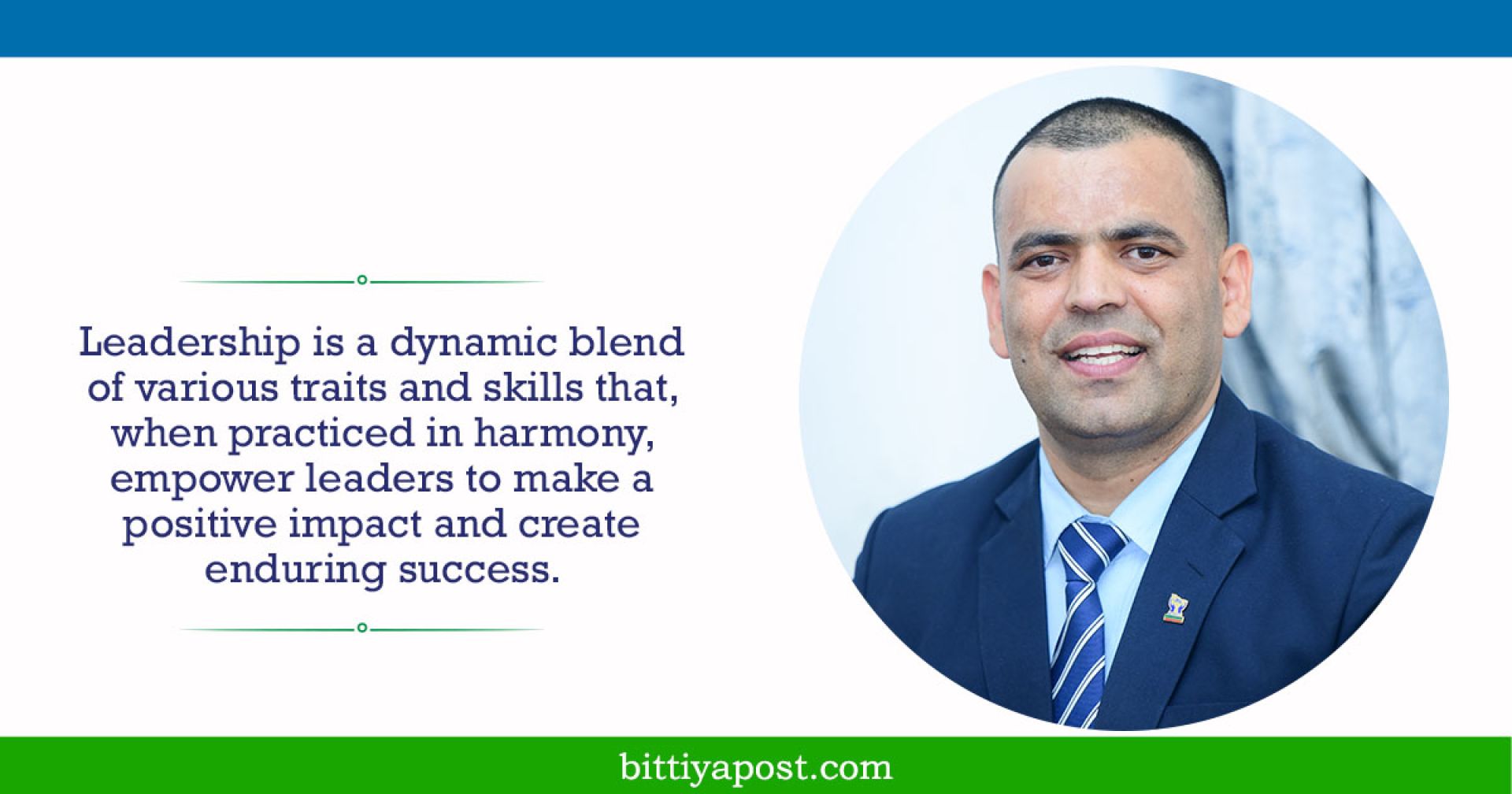
These qualities collectively form a strong foundation for effective and influential leadership, enabling leaders to navigate challenges, inspire others, and drive their teams or organizations towards success and growth. Leadership is a dynamic blend of various traits and skills that, when practiced in harmony, empower leaders to make a positive impact and create enduring success.
Feedback: Pokharel.prakash@gmail.com



सञ्चार रजिष्ट्रारको कार्यालय दर्ता प्रमाणपत्र नंः
००१७६/०७९-०८०




.jpg)